Jargons
What is Inflation? What are its Effects?
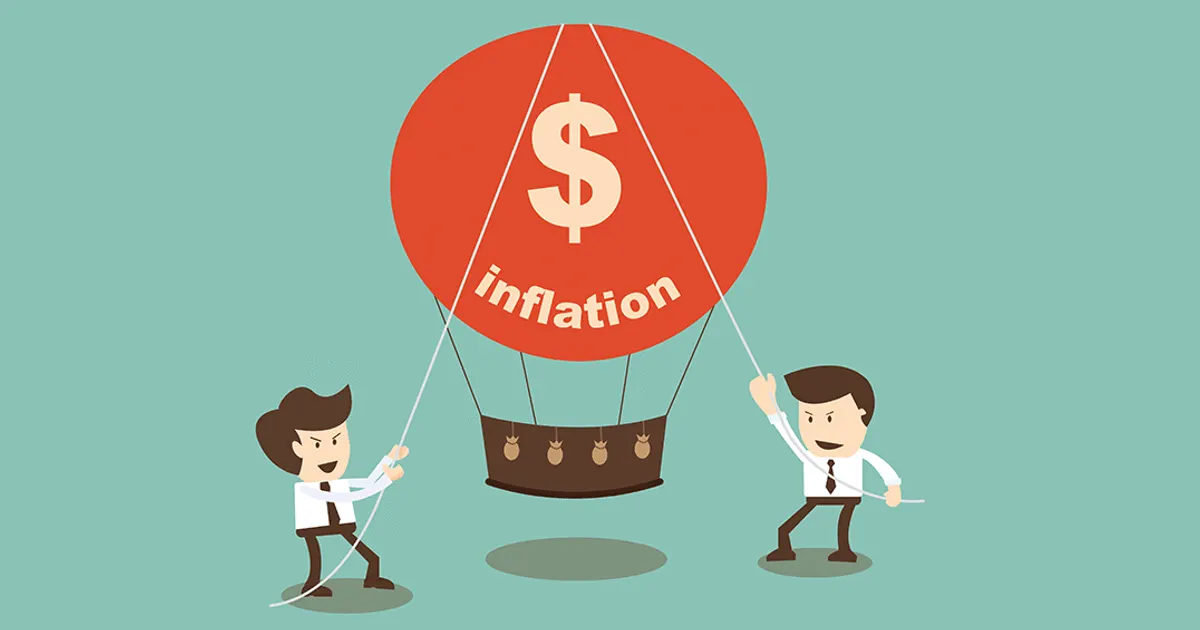
Inflation is the rise in the prices of goods and services. In India, it is measured based on CPI and WPI, and affects various participants in the economy.
Key takeaways
- Inflation is the rise in the prices of goods and services offered.
- In India, inflation is measured based on two metrics: CPI and WPI.
- When inflation occurs, the Reserve Bank tries to control it by increasing interest rates.
- Inflation aids debtors by decreasing the real value of the money they have to pay.
- Inflation negatively impacts your savings account interest, especially if the inflation rate surpasses your savings account interest rate.
Inflation is simply the rise in the prices of goods and services offered. In India, inflation is measured based on two metrics: CPI and WPI. Retail inflation and wholesale inflation are mapped by Consumer Price Index (CPI) and Wholesale Price Index (WPI), respectively. Today, we will see how inflation really affects various participants in the economy.
Impact on the Stock Market
When inflation occurs in an economy, the Reserve Bank tries to control it by increasing the interest rates. As the interest rate increases, debt instruments become more attractive to investors. They get a higher return and that too at a lower risk. Thus, more of the investment shift from equities into the debt market.
With inflation, prices of inputs/raw materials required by companies become more expensive which adds to their expenses. Generally, this cost is passed on to the end consumer. If a company's sales decrease due to this reason, revenues and profits will take a hit. The falling financials might give a negative indication to the stock market participants.
At the same time, if the company is able to maintain a similar level of sales, and does not show any other negative effect of inflation on itself, then its share price won't take a hit.
Impact on Loans
Does inflation favour lenders or borrowers? This question has always been in the mind of people. A borrower takes money from a creditor and promises him/her to pay it back at a later date. If inflation occurs during that tenure, it will aid the debtor by decreasing the real value of the money which he has to pay.
When the prices of goods rise, you can buy a lesser number of goods at a specific amount as compared to earlier when the prices were stable. The debtor is still obliged to pay a fixed amount that was agreed upon earlier. Thus, the real value of money that a debtor is paying back is less as the creditor will be able to buy less number of goods. Thus, the burden of the debt is reduced for the lender.
If that's the case, is the bank at a loss? The answer is both a yes and no. The loan which is already credited will give lesser real money to the creditor as the amount or the interest rate is fixed. But with inflation in the economy, demand for credit will increase. Suppose an individual needs a loan to buy a ring worth Rs 50,000. Inflation has increased the prices to Rs 60,000. As the bank charges a 10% interest rate, then instead of getting Rs 50,000, he will get Rs 60,000. Thus, a creditor might face dual effects of inflation.
Impact on your Savings Account
Inflation negatively impacts your saving account interest, especially if the inflation rate surpasses your savings account interest rate. Suppose your savings account interest rate is 1.5%. That means you would earn 150 rupees if your account had Rs 10,000. Suppose the inflation rate rises to 3%, then the increase to Rs 10,150 would not mean an actual increase in your income. In real terms, you will feel like you are actually losing money.
Frequently asked questions
How is inflation measured in India?
In India, inflation is measured based on two metrics: CPI and WPI.
Does inflation favor lenders or borrowers?
Inflation aids the debtor by decreasing the real value of the money which he has to pay.
How does inflation affect savings accounts?
Inflation negatively impacts your savings account interest, especially if the inflation rate surpasses your savings account interest rate.
Written by
marketfeed TeamRelated reads
What are Technical Indicators: Definitions and Types?
Understand technical indicators: what they are, how to plot them, their types (overlays, underlays, lagging, leading), and tips for effective use in trading.
What is Volume in the Stock Market? How to Analyse It?
What trading volume means, why it confirms or rejects a price trend, and how to apply volume analysis and the Volume Profile in real trades.

The BEST Framework to Create a Diversified Stock Portfolio
Learn the best framework to create a diversified stock portfolio for long-term success. Understand asset, market cap, and sectoral diversification for optimal returns.
Join 2.4M+ Indians · Free · 2 min